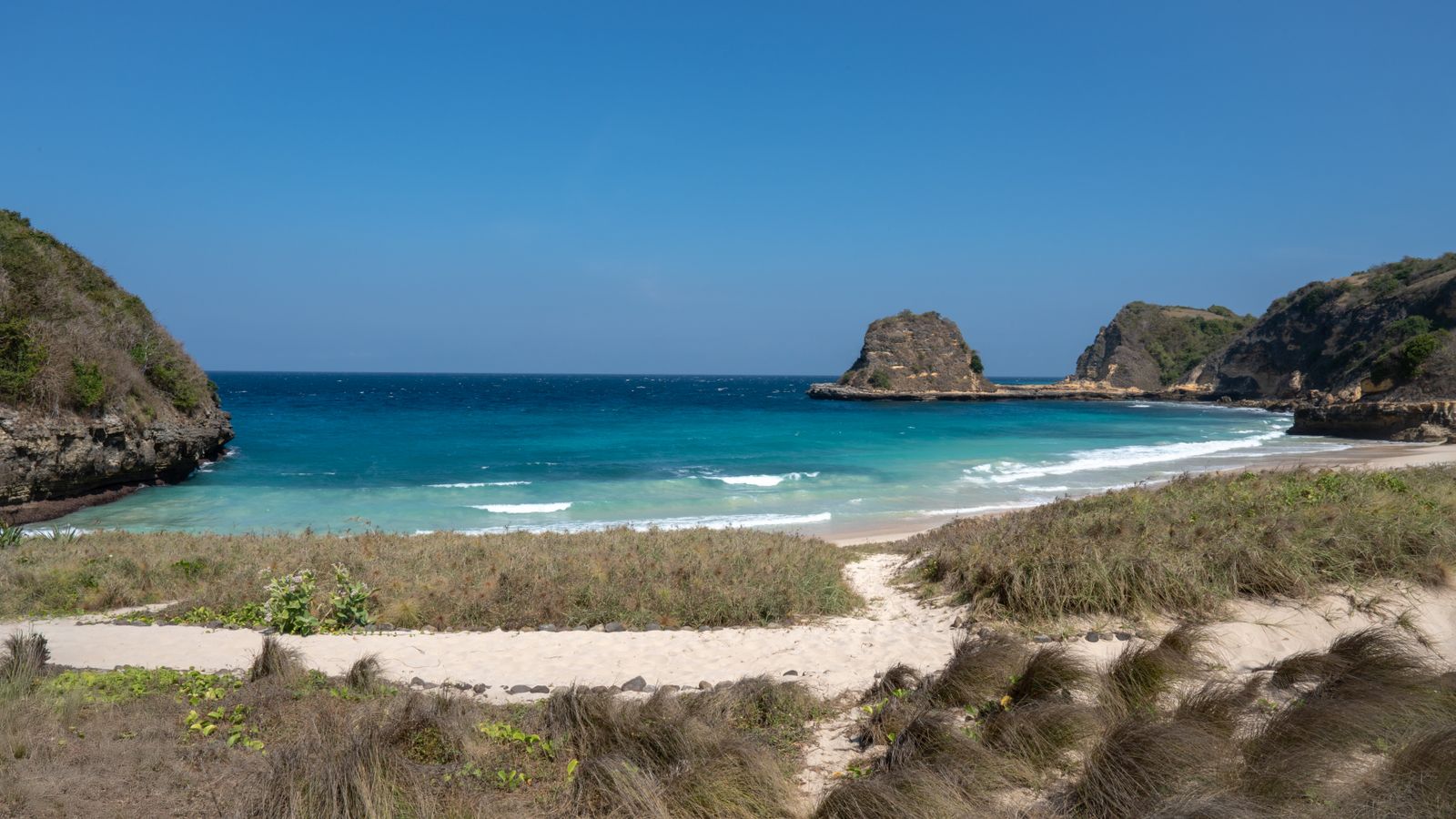
South Lombok has become popular with beginner surfers because several beaches can offer accessible learning conditions when the swell, tide and wind cooperate. Selong Belanak is often recommended for first lessons, while other areas suit progressing or experienced surfers. “Beginner-friendly” never means risk-free. The safest start is a structured lesson with a local instructor who understands the beach on that particular day and can match the session to your swimming ability, fitness and confidence.
Planning your experience
Choose a school based on communication and safety rather than price alone. A good instructor asks about experience, explains the lesson area, checks equipment and discusses what to do if you fall or lose the board. Group sizes should allow genuine supervision. Tell the instructor about injuries or medical conditions before entering the water. If you cannot swim confidently, say so clearly; standing depth changes, currents move and waves can knock a person off balance even close to shore.
The first part of a lesson normally happens on sand. You may practise lying on the board, paddling position, popping up and protecting your head during a fall. Pay attention to this stage instead of rushing toward the water. Use the leash as instructed, but never wrap it around fingers or hold it while a wave pulls the board. When falling, cover your head, surface calmly and look for the board and other people before moving. Keep distance from swimmers and fellow learners.
Practical advice
Sun and fatigue are important risks. Apply water-resistant sun protection, wear a rash vest and hydrate before the session. A one-hour lesson can be more tiring than expected because paddling uses unfamiliar muscles. Stop when technique collapses or you feel dizzy, cold or exhausted. Do not extend the session merely because the board rental has time remaining. Eat a light meal beforehand and allow recovery time after surfing rather than immediately scheduling a long drive or strenuous hike.
Surf etiquette matters from the first day. Do not paddle into a crowded area, abandon the board in front of someone or assume you have priority because you paid for a lesson. Follow the instructor’s positioning and apologise when a mistake affects another person. More advanced reef breaks require skills beyond standing on a foam board, including wave selection, directional control and understanding currents. Progress gradually and let a trusted local coach decide when conditions are suitable for the next step.
A successful first surf session is not measured by the number of photographs or perfect rides. It may be learning to balance, catching white water and leaving the ocean with more confidence than you entered. Support a locally operated school, tip when service is excellent and avoid leaving damaged equipment or litter on the beach. Back at the villa, stretch gently, drink water and enjoy the satisfaction of learning in one of Indonesia’s most beautiful coastal settings.
Before you go
Current conditions should always guide the final plan. Confirm opening information, transport, weather, sea conditions and any local restrictions shortly before travelling. Ask the villa host or a reputable local operator when advice depends on the day. Carry water, small cash and an offline map, leave extra journey time and share the itinerary with someone in the group. Flexible preparation helps visitors enjoy Lombok safely while remaining considerate of residents, workers and the natural environment.