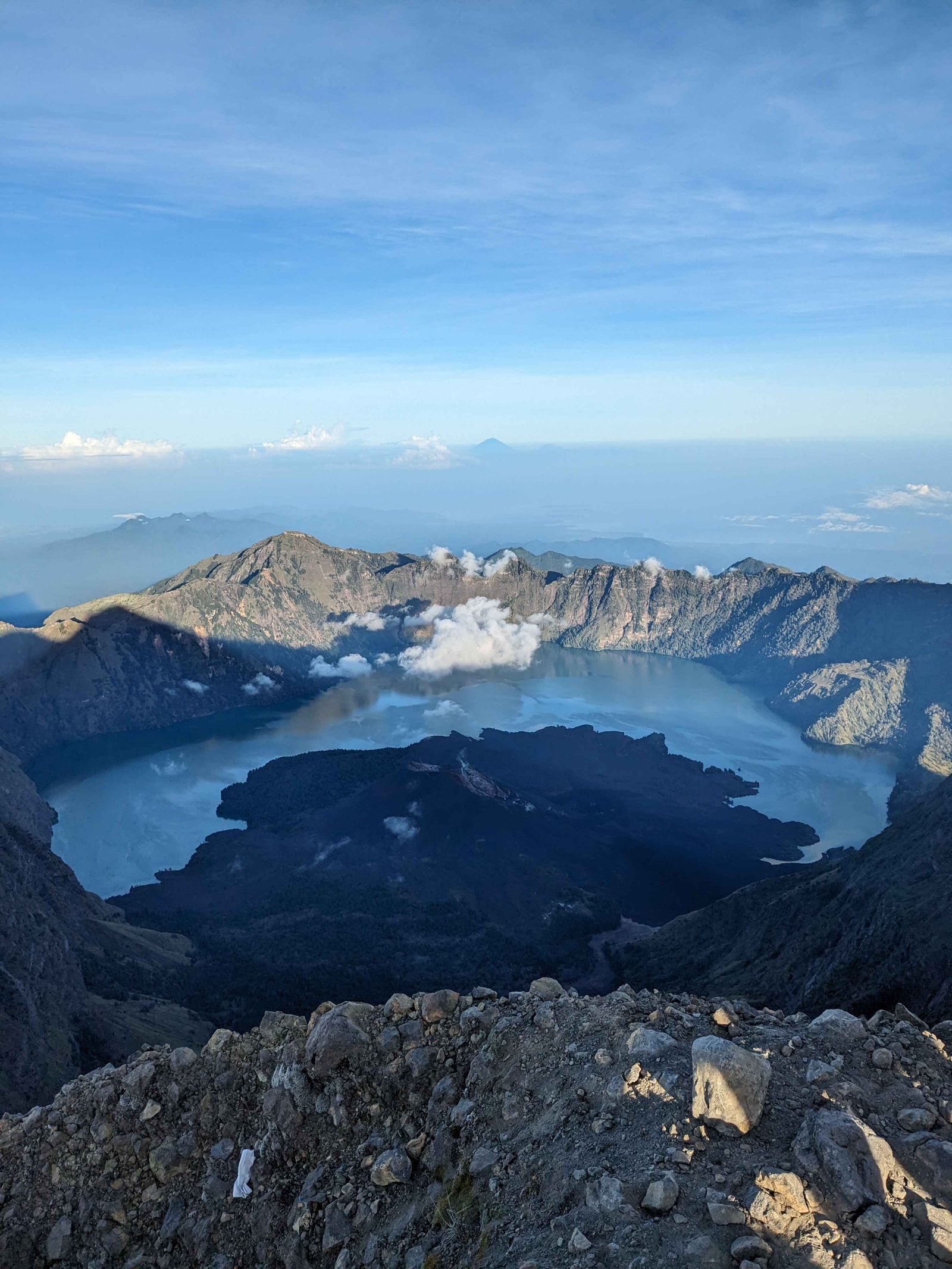
Mount Rinjani dominates Lombok both geographically and imaginatively. The volcanic massif rises above the island and surrounds the extraordinary Segara Anak crater lake. For travellers staying in South Lombok, Rinjani is not a casual extension of a beach day. Reaching the trekking areas takes time, and summit or crater routes require serious planning, suitable fitness and authorised local support. The reward can be remarkable, but the mountain deserves to be approached as a demanding natural environment rather than a backdrop for spontaneous adventure.
Planning your experience
First decide whether you want a multi-day trek or simply a northern Lombok experience. A full trek may involve steep ascents, loose volcanic ground, cold pre-dawn temperatures, basic camps and long walking days. A day trip can instead focus on villages, viewpoints or lower-elevation landscapes without attempting the crater. These are different products with different risks. Speak honestly about health, hiking experience and comfort with camping before paying a deposit. Travellers with medical concerns should seek professional advice before committing.
Trekking access, seasonal closures and route conditions can change because of weather, volcanic activity, fires, landslides or conservation measures. Verify current information through official national-park channels and a reputable licensed operator. Do not rely on an old blog post or a social-media video. A responsible operator should explain permits, group size, guides, porters, equipment, meals, waste handling, emergency procedures and what happens if conditions force the itinerary to change. The cheapest quote may omit important support.
Practical advice
Pack for temperature variation. Coastal Lombok can feel hot and humid, but higher elevations may be cold and windy, particularly before sunrise. Proper hiking shoes, layers, rain protection, sun protection, a headlamp and personal medication are fundamental. Test footwear before the trip. Carry enough water as advised by the operator, but coordinate supplies so the group does not create unnecessary plastic waste. Keep electronics protected from dust and rain, and do not make a summit attempt dependent on capturing content.
Respect for guides and porters is essential. They are skilled mountain workers, not invisible service staff. Follow their safety decisions, keep the agreed pace and do not pressure the team to continue through dangerous conditions. Ask how rubbish and toilet waste are managed, and choose operators that carry waste out. Stay on established routes, avoid feeding wildlife and keep noise low at camps. The mountain is culturally significant as well as environmentally sensitive, so behaviour should reflect more than personal ambition.
After the trek, allow recovery time before scheduling another strenuous activity or a flight. Hydrate, rest and monitor any injury or altitude-related symptom. Guests who prefer a gentler holiday can still appreciate Rinjani through photography, cultural visits and viewpoints without climbing. The best Rinjani experience is not necessarily the highest one; it is the option that matches your ability, respects current rules and supports responsible local operators. Planned carefully, the mountain adds a powerful dimension to a Lombok stay built around the coast.
Before you go
Current conditions should always guide the final plan. Confirm opening information, transport, weather, sea conditions and any local restrictions shortly before travelling. Ask the villa host or a reputable local operator when advice depends on the day. Carry water, small cash and an offline map, leave extra journey time and share the itinerary with someone in the group. Flexible preparation helps visitors enjoy Lombok safely while remaining considerate of residents, workers and the natural environment.