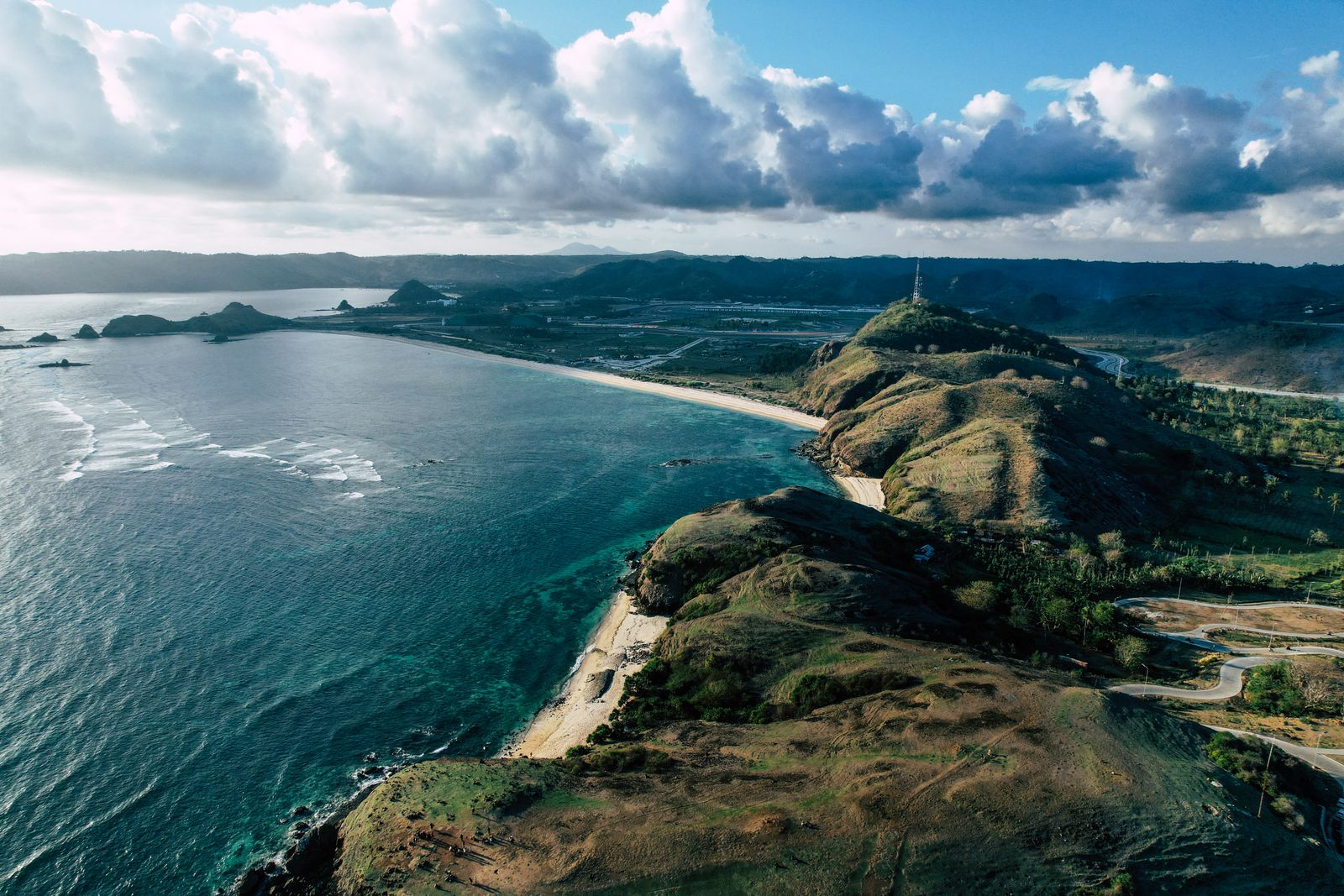
Responsible travel in Lombok is not a separate activity added to a holiday. It is a series of ordinary choices: where money is spent, how much waste is created, whether people are photographed with consent and how visitors behave in beaches, villages and sacred spaces. Tourism can support livelihoods and conservation, but it can also increase pressure on water, roads and coastlines. A thoughtful guest tries to leave value in the community while reducing avoidable impact.
Planning your experience
Start with spending. Use local drivers, guides, surf instructors, warungs and artisans when their services meet your needs. Ask clear questions about prices and pay fairly. Bargaining can be appropriate in some markets, but aggressive negotiation over a small amount may mean much more to the seller than the traveller. Buy crafts because you value the work, not from pity, and distinguish handmade textiles from factory souvenirs. Direct purchases often keep more income with the producer.
Reduce waste by carrying a refillable bottle, reusable bag and small container for rubbish. Decline unnecessary straws and multiple plastic bags. If recycling options are unclear, reducing consumption is more reliable than assuming every item will be processed later. Never leave cigarette ends, food scraps or “biodegradable” packaging on a beach. Join a local clean-up if one is already organised, but do not use a short volunteer activity as a substitute for responsible habits throughout the stay.
Practical advice
Water and energy also matter on an island. Reuse towels, turn off air-conditioning when doors are open and report leaks. Take reasonable showers rather than treating a villa supply as unlimited. Do not request daily linen changes without need. These choices should not compromise hygiene or comfort; they simply recognise that private luxury depends on shared resources. Ask the host how waste and water are managed, and offer constructive feedback when systems could improve.
Respect community life. Dress modestly away from beaches, especially near villages and places of worship. Ask before photographing individuals, ceremonies or homes. Drones can disturb people and wildlife, so verify current rules and avoid flying over private property or crowds. Do not hand sweets or money directly to children. If you want to support education or welfare, use a credible local organisation rather than creating an interaction that encourages children to approach tourists.
Finally, protect natural spaces by following guides, staying on established paths and refusing wildlife experiences that involve harmful handling or feeding. Choose operators that explain safety, permits and waste practices. Share accurate expectations in reviews: praise responsible businesses and avoid promoting hidden locations in ways that could overwhelm them. Responsible travel does not require perfection. It requires attention, humility and a willingness to change plans when local conditions or community guidance suggest a better choice.
Before you go
Current conditions should always guide the final plan. Confirm opening information, transport, weather, sea conditions and any local restrictions shortly before travelling. Ask the villa host or a reputable local operator when advice depends on the day. Carry water, small cash and an offline map, leave extra journey time and share the itinerary with someone in the group. Flexible preparation helps visitors enjoy Lombok safely while remaining considerate of residents, workers and the natural environment.